
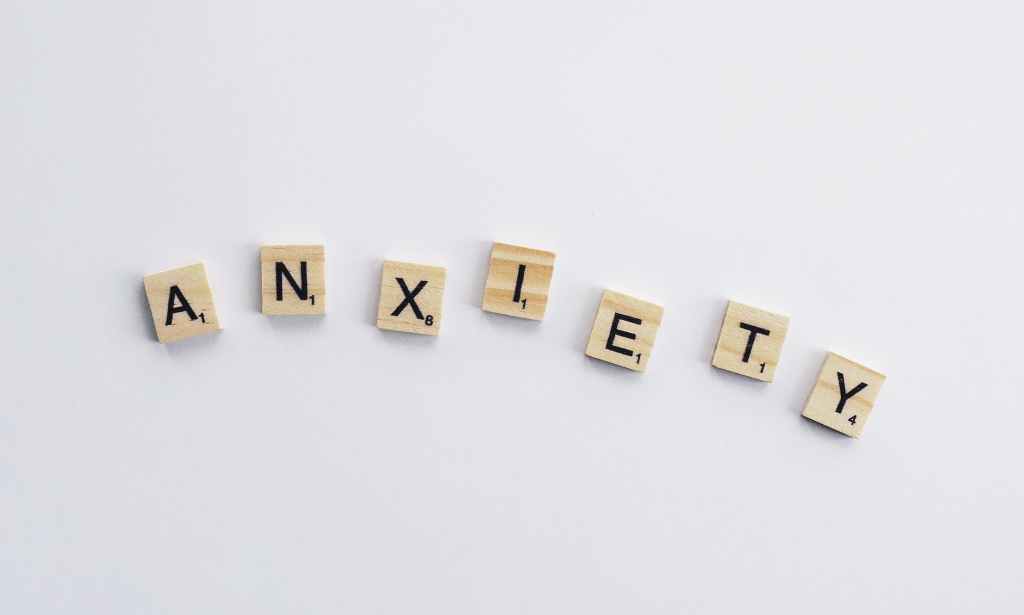
What is it
First thing first, this doesn’t happen overnight. You fall into its claws slowly bit by bit. You may be very anxious or somewhat anxious the state differs based on the onset of it. The greater the period in it this grows in proportions. You worry a lot; you are more nervous for small things which do not matter and there is a general sense of unease for everything and for every task you undertake. Anxiety is a complex and often misunderstood emotion. It’s normal to feel anxious sometimes, especially in stressful situations. But for people with anxiety disorders, anxiety can be overwhelming and debilitating.
Anxiety. It’s a word that sends shivers down our spines and knots stomachs into tangled messes. It’s the unwelcome guest that crashes the party of our lives, whispering doubts and amplifying fears. But what exactly is anxiety, and how does it manifest in its many forms? And more importantly, how can we, the anxiety sufferers and the curious onlookers alike, begin to understand and manage this ubiquitous monster within?
It’s important to remember that anxiety is not a sign of weakness or failure, but rather a normal way for your body to protect you. Mindfulness techniques, such as deep breathing and meditation, can help you stay present and reduce anxiety. Try setting aside a few minutes each day to practice mindfulness. Physical activity can help release endorphins, which are natural mood elevators. Aim for at least 30 minutes of moderate exercise most days of the week. Eating a balanced diet can help stabilize your mood and energy levels. Incorporate whole grains, lean proteins, and plenty of fruits and vegetables into your meals. Aim for 7-9 hours of quality sleep each night. Sleep helps regulate your mood and can significantly reduce anxiety. Both caffeine and alcohol can exacerbate anxiety symptoms. Try to reduce your intake or consider cutting them out entirely. If your anxiety is overwhelming or interfering with your daily life, consider talking to a mental health professional. They can help you develop a personalized plan for managing your anxiety.
Anxiety is a facet of our lives, a spectrum from mild unease to overwhelming fear. While it’s a natural response to stress, persistent anxiety can transform into a mental health challenge. At its core, anxiety is a state of uneasiness about the uncertain future. It’s a mix of emotional and physical reactions triggered by perceived threats. While a certain level is normal, persistent anxiety can escalate into a mental health disorder.
Anxiety is a multifaceted and prevalent human experience that spans a spectrum of emotions from mild unease to intense fear. It is an integral part of the human condition, often serving as a natural response to stressors and threats. However, when anxiety becomes chronic and interferes with daily life, it can evolve into a mental health disorder. Everyone experiences anxiety from time to time. It’s our body’s way of preparing us for danger or threat.
“It could start due to any reason but develops and is a monster which feeds on your emotions to grow bigger and stronger.”
Sometimes it is perfectly normal to feel anxious. When it starts repeating and happens for more often, then it becomes a problem as it may affect your daily life. It could start due to any reason but develops and is a monster which feeds on your emotions to grow bigger and stronger. A little bit of anxiety can help us focus and perform our best. For example, you might feel a little anxious before a big presentation, which can help you stay sharp and motivated. It becomes a problem when it becomes chronic and the frequency increases affecting your daily life.
Symptoms of Anxiety
Anxiety manifests through a diverse array of symptoms that affect both the mind and body. Recognizing these symptoms is crucial for early intervention and effective management. Common symptoms of anxiety include:
Cognitive Symptoms: Excessive worry, Racing thoughts, Difficulty concentrating, Catastrophic thinking.
Emotional Symptoms: Restlessness or irritability, Feeling on edge, Fear or dread, A sense of impending doom.
Physical Symptoms: Muscle tension, Fatigue, Trembling or shaking, Sweating, Dizziness or lightheadedness.
Behavioral Symptoms: Avoidance of anxiety-inducing situations, Ritualistic behaviors (common in OCD), Social withdrawal, Impaired work or academic performance.
Type of anxieties
Panic anxiety of panic disorder happens when you get a sudden sense of doom or fear. You are not able to think, you get cold feed sweat profusely and in general unable to do anything. It’s kind of coma you encounter, you are feeling everything, experiencing everything but unable to move. You may want to hold your phone but may not be able to call anyone. You may want to get up or move but are not able to. It is generally intense, your heart beats faster and you may also experience shortness of breath or the feeling of not able to breathe.
Anxiety disorders come in various forms. Anxiety disorders are a diverse group of mental health conditions characterized by excessive worry, fear, or nervousness. The Diagnostic and Statistical Manual of Mental Disorders (DSM-5) identifies several major types of anxiety disorders, each with its distinct features,
First, let’s dispel the myth that anxiety is a singular entity. It’s a diverse and dynamic beast, morphing into different shapes and sizes depending on the individual and the situation.
Generalized Anxiety Disorder (GAD): There is the anxiety disorder or also called generalized anxiety disorder GAD. This is when it happens on a regular basis and becomes chronic. You start worrying more than usual and are anxious for everything in general. Persistent worry about various aspects of life. Individuals with GAD experience persistent and excessive worry about various aspects of life, such as work, health, and relationships, even when there is little or no apparent reason for concern. The ubiquitous worrywart, GAD is like a low-grade fever of anxiety that permeates every aspect of life. From finances to relationships to health, everything becomes a potential source of fretting.
Panic Disorder: Recurrent, unexpected panic attacks. This type of anxiety disorder is marked by recurrent and unexpected panic attacks, accompanied by intense physical and psychological symptoms, such as a rapid heart rate, shortness of breath, and a sense of impending doom. Imagine being thrown into a maelstrom of terror for no apparent reason. Panic attacks, the hallmark of panic disorder, are like sudden, intense surges of adrenaline that trigger physical symptoms like heart palpitations, dizziness, and shortness of breath.
Social Anxiety Disorder (SAD): There may be societal anxieties as well. People are anxious in the presence of people and start avoiding others. They become more recluse and stay in themselves. Anxieties can also be genetic where someone in the family has it and you get it too. Intense fear of social situations. SAD involves an intense fear of social situations and scrutiny, leading to avoidance of social interactions. Individuals with social anxiety may be excessively self-conscious and fear negative judgment from others.The spotlight of social situations can be blinding for those with SAD. The fear of scrutiny and judgment turns everyday interactions into daunting challenges, often leading to avoidance and isolation.
Specific Phobias: There may be specific phobias where you may be fearful of a spider or a chameleon or any other object or even a certain situation like the feeling of being trapped in a tight space, lift etc., fear of heights or even being in front of a large audience and having to act or speak in front of them. Irrational fears of specific objects or situations. These are intense and irrational fears of specific objects or situations, such as heights, spiders, or flying. Phobias can significantly impact daily life as individuals go to great lengths to avoid their triggers. These are intense, irrational fears of specific objects or situations. From spiders and heights to flying and public speaking, phobias can significantly restrict life experiences and fuel debilitating avoidance behaviors.
Separation Anxiety Disorder: There may be separation anxiety, you may be fearful of getting separated from that someone you love or want to be with more than the others. You become attached to certain people over time and start having this separation anxiety. The thought of being apart from loved ones, especially for children, can trigger intense anxiety and distress in individuals with separation anxiety disorder. Clinging and emotional meltdowns become common as the fear of abandonment takes hold.
Obsessive-Compulsive Disorder (OCD): OCD is the obsessive-compulsive disorder where you have obsessive and repetitive behavior about somethings like germs, cleanliness like hand washing or checking the same thing multiple times. You may check if you have locked the gate may times, you may check your bag or purse if you have a certain key or object, It could be anything. Counting your coins or notes or paper again and again.
Intrusive thoughts and repetitive behaviors. While often categorized separately, OCD is characterized by intrusive and distressing thoughts (obsessions) and repetitive behaviors or mental acts (compulsions) performed to alleviate anxiety.
Post-Traumatic Stress Disorder (PTSD): There is then the PTSD where you develop post-traumatic stress disorder due to being in a certain terrifying situation like a war, sexual or physical harm or any other types.
Develops after exposure to a traumatic event. PTSD can develop after exposure to a traumatic event, causing intrusive memories, flashbacks, nightmares, and hyperarousal. It can significantly impair daily functioning and quality of life.
Understanding anxiety involves considering genetic, biological, environmental, and psychological factors. A genetic predisposition, brain chemistry imbalances, environmental stressors, personality traits, and certain medical conditions can contribute. Anxiety expresses itself through cognitive, emotional, physical, and behavioral symptoms. Excessive worry, restlessness, muscle tension, and avoidance behaviors are common indicators.
Cause
Pinpointing a cause is difficult but there are general things that it can be attributed to. Some experiences that people encounter can lead to the development of this anxiety issue. It could be due to some trauma that you may have encountered in your life or some other stressful situation. The origins of anxiety are complex and can involve a combination of genetic, biological, environmental, and psychological factors. Understanding the interplay of these elements provides insights into the development and persistence of anxiety disorders:
“Brain chemical imbalance can be disturbed which can lead to this issue. Serotonin and norepinephrine are two key chemicals.”
Genetics as discussed earlier is also a major cause. Studies indicate a hereditary component to anxiety, with certain genes potentially making individuals more susceptible. This is something that is out of your hands and there is very little you can do to avoid it. Brain chemical imbalance can be disturbed which can lead to this issue. Serotonin and norepinephrine are two key chemicals whose imbalance can cause anxiety and depression both or one of them.
Research suggests a genetic predisposition to anxiety disorders, with a higher likelihood of developing anxiety if there is a family history of the condition. Imbalances in neurotransmitters, such as serotonin and gamma-aminobutyric acid (GABA), are associated with anxiety. These neurotransmitters play a crucial role in regulating mood and stress responses. Adverse life events, trauma, or chronic stress can contribute to the development of anxiety disorders. Childhood experiences, such as neglect or abuse, may also play a role. Certain personality traits, such as perfectionism or a tendency to be highly sensitive, may increase the risk of developing anxiety disorders. Some medical conditions, such as thyroid disorders or cardiovascular issues, can contribute to anxiety symptoms. Substance abuse and withdrawal can also induce or exacerbate anxiety.
How to deal with it
Effectively managing anxiety involves a holistic approach that addresses the underlying causes and incorporates coping strategies. Mindfulness is a type where you focus on being aware of what you are feeling and sensing without any boundaries, you don’t try to understand or interpret it or even pass judgement on it. You can do it through breathing exercises or even repeating a habit every day at the same time for the same duration. The end goal is how you can relax your mind and be at peace without any stress. It also means living in the present. You develop a sense of compassion for yourself and others.
Identify your triggers: What situations or things tend to make you anxious? Once you know your triggers, you can start to avoid them or develop coping mechanisms for dealing with them.
Cognitive-Behavioral Therapy (CBT): CBT is a widely used therapeutic approach for anxiety disorders. It helps individuals identify and change negative thought patterns and behaviors, promoting healthier coping mechanisms. This form of therapy equips individuals with the skills to identify and challenge negative thought patterns that fuel anxiety. By learning to reframe anxious thoughts and develop coping mechanisms, CBT empowers individuals to regain control over their mental state.
Exposure Therapy: Particularly beneficial for phobias and PTSD, exposure therapy involves gradual and controlled exposure to anxiety-inducing stimuli, helping individuals build tolerance and reduce avoidance behaviors.
Selective Serotonin Reuptake Inhibitors (SSRIs) and Benzodiazepines: These medications are commonly prescribed for anxiety disorders. SSRIs help regulate serotonin levels, while benzodiazepines provide short-term relief from acute anxiety symptoms.
Regular Exercise: Physical activity is known to have positive effects on mood and can help reduce anxiety. It promotes the release of endorphins, which act as natural mood lifters.
Healthy Diet: Nutrient-rich diets contribute to overall well-being. Certain foods, such as those rich in omega-3 fatty acids, may have anti-anxiety properties. Prioritizing self-care and establishing healthy habits can significantly impact mental and emotional health.
Mindfulness Meditation: Mindfulness practices, such as meditation and deep-breathing exercises, can help individuals stay present and manage anxious thoughts. Practices like meditation, deep breathing, and progressive muscle relaxation can activate the body’s relaxation response, counteracting the physiological symptoms of anxiety. By focusing on the present moment and calming the physical body, these techniques can bring a sense of peace and grounding.
Progressive Muscle Relaxation (PMR): PMR involves systematically tensing and relaxing different muscle groups, promoting physical and mental relaxation.
Therapeutic Support Groups: Joining support groups allows individuals to connect with others facing similar challenges, providing a sense of understanding and shared coping strategies. We are social creatures by nature, and the power of human connection cannot be overstated when it comes to managing anxiety. Having a strong support system of friends, family, and loved ones can be a vital lifeline in the midst of an anxiety storm. These individuals can offer a listening ear, a shoulder to cry on, and unwavering encouragement. Joining support groups, either online or in person, can also provide a sense of belonging and community, connecting you with others who understand your struggles.
Open Communication: Talking to friends, family, or a mental health professional about anxiety can reduce feelings of isolation and foster a supportive environment. Talking about your anxiety can help you feel less alone and get support.
It most likely will also involve the prescription of certain medication to deal with the imbalance in the brain. Specific medications like SSRI’s, selective serotonin reuptake inhibitors, help in this regard by reducing the symptoms.
“A therapist may become your punching bag helping you to take that excessive baggage off your back.”
You may also have to change a certain way you function. Change in lifestyle is also part of the solution. Exercise more regularly, maybe sit with your loved ones and talk to them about general things to keep your mind from thinking too much and going on an overdrive. Sleeping regularly and in adequate amounts.
Therapy is another way to deal with the symptoms of anxiety. A therapist can teach you techniques to deal with it. Sometimes you are not comfortable sharing things with anyone you know or love. A therapist may become your punching bag helping you to take that excessive baggage off your back.
“Slow and steady is the key start with small steps and then go to total avoidance.”
Avoidance of alcohol, nicotine and caffeine can also help. These generally make the symptoms worse. It is best to avoid or atleast lessen their indulgence if you can’t do it immediately. Slow and steady is the key start with small steps and then go to total avoidance.
Avoidance of certain stressful situations can also help. Plan so that time is not one of them. Spend more time being with and talking with your friends and family, your loved ones who are also equally invested in you and want you to get better.
“Avoidance is not the result we want, remission is.”
Reaching out for help is the key, you are not alone and everyone needs help from time to time. You can’t do it all, you also need some help and there is no shame in asking for it.
While self-help strategies can be valuable, severe or persistent anxiety may require professional intervention. Mental health professionals, including psychologists, psychiatrists, and counselors, can provide personalized assessments and treatment plans. Seeking help is a sign of strength and can significantly improve the prognosis for individuals dealing with anxiety disorders.
It’s easy to feel isolated and misunderstood when grappling with anxiety. But the truth is, you’re far from alone. Anxiety disorders affect millions of people worldwide, from all walks of life. Celebrities like Emma Stone and Stephen Fry have openly shared their struggles with anxiety, dismantling the stigma and offering hope to others. Remember, seeking help is a sign of strength, not weakness. Reaching out to a therapist or counselor can equip you with valuable tools and strategies to manage your anxiety and live a fulfilling life.
Managing anxiety is not a one-time feat, but an ongoing journey of self-discovery and growth. There will be setbacks and challenging moments, but with each hurdle overcome, you become stronger and more adept at navigating the waves of anxiety. Celebrate your victories, no matter how small, and remember that progress, not perfection, is the key. Remember, you are not defined by your anxiety. It is a part of your journey, but it does not have to dictate your destination. With the right tools, support, and a resilient spirit, you can learn to manage your anxiety and live a life filled with joy, connection, and purpose.
Anxiety may cast a shadow over your life, but within you lies a radiant light. It’s the light of your strength, your courage, and your unwavering spirit. Focus on nurturing that light, and let it guide you through the darkness. Believe in your ability to heal, to grow, and to thrive. You are braver than you believe, stronger than you seem, and loved more than you know.
So, take a deep breath, let go of the fear, and step into the light. Your journey towards a calmer, happier life awaits.
Anxiety is a nuanced and prevalent aspect of the human experience that can range from normal to pathological. Understanding the various types, causes, and symptoms of anxiety is essential for effective management and treatment. The array of therapeutic interventions, lifestyle modifications, and social support options available highlights the multifaceted nature. Help is in abundance and waiting for you to take that step. Ask for it. Avoidance is not the result we want, remission is.


Leave a Reply