
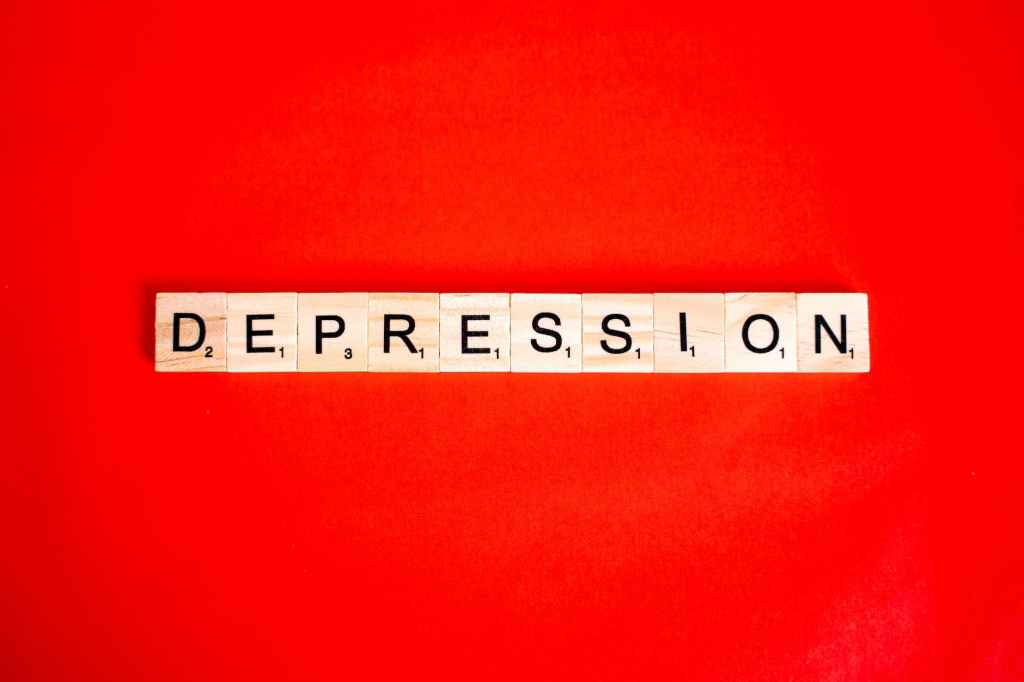
Depression is more common than we acknowledge.
Depression has become more common in our society than what we would want or accept. Families are being affected instead of just a single person. If a kid is suffering from depression, it starts affecting the whole family. Initially, it affects her only but as the family comes to know about it and goes through it with her the other family members also get affected.
Depression is a serious mental health issue that affects millions of people worldwide. It can be challenging to recognize the signs and symptoms of depression because it can look and feel like other conditions, such as anxiety or stress.
There are many reasons that people do not talk about it, or seek help. First and foremost is the fear of stigma. People fear that they will be judged and bracketed negatively in the society. They won’t get new opportunities as fear fear engaging with them. The other big reason for it is denial. It can’t affect me. People associate the symptoms to a different cause. examples being like, it is because of stress. I am going through a rough patch, so very stressed right now which is causing these symptoms.
Misconceptions about mental health can prevent people from recognizing the symptoms for themselves. There are many myths associated with mental health and people fall in that trap. Lack of awareness is another reason for the underreporting. People are not aware about the symptoms, as they are subtle and don’t associate the symptoms they experience with depression.
One of the first steps in acknowledging depression is to be open and honest with yourself. This means being willing to talk about your feelings and emotions, even if they are difficult to express. It is important to have a support system in place to help you navigate this conversation, whether that is a friend, family member, or mental health professional.
Another way to recognize depression is to notice changes in your mood, energy levels, and behavior. These can include feelings of sadness, hopelessness, worthlessness, or loss of interest in usual activities. You may also experience feelings of guilt, anger, or helplessness.
When you notice these changes, it is important to take the time to evaluate your feelings. Ask yourself questions such as, “Does this feel right for me?” or “How do these feelings compare to my previous experiences?”
There are also cultural biases and norms in the society. In many cultures these things are not discussed openly. They are considered private and taboo for discussion. This is more if the person is a female. It is also to do with the image of the Physiatrists. They are considered as someone who take care of crazy people in a mental institution. If you get a suggestion to go to a physiatrist they shoot it down by saying they are not crazy and it is just a phase. People may not have access to a good doctor or therapist for that matter. This lack of access prevents them from getting the right help.
We also lack self compassion in these times. Anything associated with self is taken as being selfish. People don’t want to discuss their problems when they think that there are wider and more important problems that need attention.
Before the pandemic, the affected person was someone who used to suffer alone but now post-pandemic the whole family is suffering, one reason is that its becoming more talked about. People are coming out and discussing with family, which is good. The affected person usually is identified and gets help. The help could be therapy, psychiatric, or any other like ketamine therapy or magnetic therapy. On the other hand, the family is the one which suffers silently. Mother usually suffers as she is close to her daughter. Father suffers seeing that his kid is suffering and he can’t do anything. Kids make their parents, as their punching bags, bouncing their issues with them. Usually, one of the parents is the weak one and the other the strong one in the family. The week one also bounces their issues with the other. The strong one suffers silently the most as he can’t reveal their real feelings. They must feign strength in front of the other family members.
The week one suffers but cries their heart out and has some sort of escape route. The strong one is the one who suffers silently. If the strong one is the husband, then they can’t cry having gone through the societal norms of “men don’t cry”, 95% of men fall in this category. They can’t reveal their true self to their family.
“Kids make their parents, as their punching bags, bouncing their issues with them. Usually, one of the parents is the weak one and the other the strong one in the family”
Acknowledgment is the key
The first step in getting better is acknowledging that there is a problem. This needs to start with the first person who is affected. Providing all help is necessary. While the person is being helped in their journey to getting better, it is imperative that other people in the family also get the required help. Acknowledge that there is a problem and then tackle it.
Be open and honest with yourself. This means being willing to talk about your feelings and emotions, even if they are difficult to express. It is important to have a support system in place to help you navigate this conversation, whether that is a friend, family member, or mental health professional.
Reducing stigma in that regard is very important. It is important that we have open conversations about it. Bust the myths associated with mental health and make people aware about it. Education in work places, in schools and our smaller communities need to be done. As a society we need to be less judgmental and remove the stereotypes that reinforce them. Remove the negativity around it. Normalize the conversation about it. A big support group is of the people who share their stories about mental health and how they overcame it or are dealing with it. We need to make such support groups more accessible for people.
When you acknowledge you take the first step towards the several treatments that are available. Medication therapy and lifestyle changes. Early detection and resolution also helps in making the symptoms worse. It would prevent the person from taking extreme steps and self harm.
If it is the mother who suffers then she needs to understand that she is the fulcrum of the family, she needs to identify the symptoms and get help for them. If she doesn’t want to inform her family that is fine but the key is to get help. There are ways in which she can go to the therapist while keeping it to herself. The same applies to the father, the father too is central to the family and has to help himself to help his family.
Recognizing that there is an issue and help is needed is for that reason the first step for its recovery. It is important that as a society we reduce the stigma and encourage open conversations. Promote the mental health resources and provide the education to people regarding it. People should feel safe for discussing it with other people and get the help they need. It can be challenging for a person to recognize the symptoms and accept them as related to their mental health. Once we acknowledge we can seek help for it. There are many mental health resources and services that are available like the national Suicide Prevention Lifeline –> 1-800-273-TALK (1-800-273-8255). Various books and articles are available explore these self help resources. Plan things, stick to it and stay connected with the world.
When you engage with the people affected with depression they start talking to you and discussing it. It is a step for their validation that they are valued in the society that their struggles are for real. It takes a lot of courage to acknowledge it. We need to be supportive and encourage people to deal with it. Discuss things with our loved ones and plan with them how to tackle it. You don’t have be alone. Help is needed and help is abundant but you need to acknowledge it first to get it.
If you are experiencing symptoms of depression, it is important to seek professional help. This may involve talking to a therapist, counselor, or mental health professional. They can provide you with the support and tools you need to manage your symptoms and work towards a better quality of life.
Remember, acknowledging and treating depression is a process, and it is important to be patient with yourself. Taking action and seeking help can help you overcome the challenges of depression and improve your overall well-being.


Leave a Reply