
Introduction
I have had different phases in my life where I’ve incorporated cold baths into my routine. It all began during my childhood when I used to indulge in cold baths, particularly during the scorching summer months. Back then, the icy water was a welcome relief from the heat, and it had a refreshing quality that I couldn’t resist.
Childhood Beginnings
My friend instigated me to embrace cold baths as a regular habit by highlighting the potential benefits they could offer to my internal immune system. He emphasized that the cold exposure had the potential to strengthen my body’s defenses and boost my overall health. With his encouragement, I committed to making cold baths a permanent part of my daily routine, regardless of the season. This change marked a transition from merely a seasonal cool-down to a year-round practice to enhance my well-being and immunity. The transition wasn’t easy though.
Year-Round Commitment
As I transitioned into my youth, I decided to extend this practice to be a year-round ritual. The idea of cold baths became less about seasonal comfort and more about a consistent part of my daily life. It was during this time that one of my close friends played a significant role in motivating me to continue with this practice throughout the year.
How it began. It wasn’t easy.
The Chilling Challenge
As the prospect of the cold bath in the winter months loomed before me, I found myself quite hesitant and fearful. Despite having grown up in a snowy region and having a history of familiarity with cold weather, the idea of immersing myself in frigid water didn’t sit well with me. It was true that I’d encountered cold conditions in my youth, but this was an entirely different kind of cold.
My initial reluctance came from a simple yet profound realization. During the winter months, even the cold water I used for drinking or washing my hands was uncomfortable to my touch. Here I was contemplating submerging my entire body in something even colder. This thought sparked a surge of doubt and anxiety. What would happen to my body when it met this icy deluge? I couldn’t help but let my imagination run wild with worst-case scenarios.
Mentorship and Trial Period
As I grappled with my apprehensions, my friend, who was ever the optimist, stood by me, unwavering in his determination. He was not one to give up easily, and his conviction began to chip away at my wall of doubts. His belief in the potential benefits of the cold bath was reassuring, even in the face of my apprehensions. My friend’s unwavering spirit played a key role in my journey to confront my fears and ultimately embrace the transformative power of the cold bath.
In our conversations about the cold bath, my friend would passionately detail the numerous physical and mental benefits that could be derived from this practice. With an encouraging tone, he urged me to give it a shot for just a week. He emphasized that if, after trying it for that period, I found that I didn’t like it or didn’t see any benefits, I could simply abandon the practice.
This proposition turned out to be an ideal way for me to ease into the idea of cold baths. It alleviated some of the pressure that came with making a long-term commitment, acknowledging the fact that I couldn’t promise to commit to it every single day. The flexibility allowed me to approach the experience with an open mind, knowing that I had an “out” if it proved to be too challenging or uncomfortable. This initial one-week trial period became my entry point into a practice that would ultimately have a profound impact on my well-being.
My friend’s guidance was simple and practical. He instructed me to prepare a bucket of cold water and use a mug to pour it over myself. He emphasized that the initial mug of water would be the most challenging. According to him, it was this first encounter with the cold water that presented the greatest hurdle. He assured me that as I progressed, the subsequent mugs of water would be more manageable, and my body would gradually acclimate to the cold.
Taking the Plunge
With his advice in mind, I embarked on my first day of cold baths. However, as I stood there, a bucket of icy water, I couldn’t help but reflect on the inherent struggle I used to encounter taking a normal, warm bath in cold weather. The mere thought of stepping into cold water when there was snow outside was far from inviting. The anticipation of the cold bath was a battle in itself, and it seemed like a daunting challenge to tackle. I couldn’t deny the hesitance I felt as I prepared to immerse myself in this cold endeavor.
The moment when I decided to begin my cold bath ritual, I experienced a mixture of excitement and apprehension. As I removed my clothes, my body was already reacting to the anticipation of the cold water. I could feel a slight shiver running through my skin, an involuntary physical response to the forthcoming shock. With my heart pounding in my chest, I picked up an empty mug, which I had prepared beforehand, and slowly filled it with the icy cold water from the bucket. Each drop that entered the mug seemed to echo in the silence of the room. The water was crystal clear and had an almost ethereal quality, glistening with the promise of the invigorating challenge to come.
As I held that filled mug in my hand, I could feel my palms moisten with a combination of nervousness and the anticipation of the cold. The seconds ticked by as I stood there, staring at the mug. It felt like an eternity, but it was, in reality, no more than a few moments.
The Physical and Mental Dance
When I finally mustered the courage to begin, I tilted the mug ever so slightly, allowing a small stream of ice-cold water to cascade onto my body. Time seemed to slow down as the water made contact with my skin. It was as if a thousand icy needles pricked my flesh, and an intense chill coursed through my entire being. In that instant, a wave of physical shock and discomfort engulfed me.
It was a moment when words fell short. The sensation was a unique blend of numbing cold, tingling, and a feeling of being alive in the rawest sense. My breath caught in my throat, and I gasped involuntarily as the cold water flowed down my body. Each droplet seemed to awaken every nerve, and the world around me faded into the background.
For those 2 to 3 minutes, as I methodically poured the mug over my head, I was completely present in the experience. It was a symphony of sensations – the shock of the cold, the rush of blood to my extremities, and the exhilaration of conquering the challenge. It’s nearly impossible to describe in words what I went through in those moments, but it was profound and left me feeling alive, awake, and ready to embrace the world with a renewed sense of vitality and resilience.
It’s a sensory shock that immediately engages the body and mind. When the first mug of icy water makes contact with the body, there’s an immediate shock to the system. The cold temperature contrasts sharply with the body’s natural warmth, causing a sudden, deep inhalation and a gasp for air. Within seconds, a powerful sensation spreads across the skin. This sensation is a result of the body’s blood vessels constricting in response to the cold, as it tries to conserve heat.
Gradual Adaptation
As more of the icy water is poured over the body, it quickly envelops and surrounds you. It feels as if you’re being submerged in a world of cold. The water’s chill penetrates the skin and reaches deep into the muscles, creating a pervasive sense of coldness. At this moment, you’re acutely aware of your body and your surroundings. Your mind becomes exceptionally focused on the sensations you’re experiencing. It’s almost as if everything else in the world fades away, and your entire awareness narrows down to the here and now.
You begin to control your breath consciously. The instinctive gasping gradually transforms into controlled, deep breaths. Inhaling slowly and exhaling deliberately helps manage the initial shock and discomfort. Your breath becomes a crucial tool for maintaining composure. Paradoxically, amid the intense physical sensations, you may also experience mental clarity. The shock to your system and the deep breaths engage your mind, making you feel incredibly awake and alert. It’s as if a mental fog is lifted.
The cold water challenges you emotionally. It’s a test of mental resilience as you choose to stay in the water and endure the initial discomfort. It can be a profound experience of mind over matter. As you remain in the cold water, the initial shock starts to subside. The body begins to adjust to the cold, and the tingling sensations may decrease. You may even start to feel a sense of invigoration and renewal as your body adapts to the temperature.
I was numb for some time as the initial shock of the cold water coursed through my body. The cold was almost overpowering. I could barely feel my skin, and the sensation of being immersed in icy water was overwhelming. It was as if my body had forgotten how to react. Slowly I was back and things improved.
This improvement gave me the strength and resolve to pick up the mug and pour the second one. It was still cold, there was no denying that, but now it wasn’t bad. The shock of the initial plunge had paved the way for a gradual adjustment, making the second mug of water much more bearable.
As I continued with the cold bath, the subsequent mugs of water were surprisingly easier to handle. The initial trepidation and discomfort gave way to a sense of familiarity and resilience. My body had adjusted to the cold, and the sensation was no longer as extreme as that first mug.
By the time I finished my bath, I was feeling surprisingly great. I wasn’t shivering uncontrollably, and the frigid water no longer felt bone-chilling. The cold bath had transformed from an initial challenge into a rejuvenating experience that left me feeling surprisingly warm and revitalized.
The moment when the first mug of icy water hits the body is a pivotal part of the cold bath experience. It’s an intense moment that challenges you physically and mentally, but it can also lead to a sense of vitality and a profound connection with your body and the present moment.
On the second day of my cold bath challenge, something remarkable happened. I picked up the mug filled with icy water and, without hesitation, poured it over my body. It was cold, there was no denying that, but this time, I knew what to expect. The initial shock and discomfort that I had felt on the first day were noticeably less intense. It was as if my body had adapted to the cold, and I was better prepared to face it.
As I completed my first week of the challenge, my friend inquired about my experience and whether I intended to continue with cold baths. To my surprise, I found that I had undergone a significant transformation. I was no longer the same person who had initially been apprehensive about the practice. In just one week, I had developed a liking for my daily cold baths, a sentiment I would not have anticipated at the start of this journey.
The most significant change I noticed immediately was in the intensity of the cold that I was experiencing. What had once felt almost unbearable had now become more manageable. It was as if my body had developed a resilience to the cold, and this newfound ability to adapt to the chill. This shift in my perception of cold baths marked a turning point in my relationship with them, setting the stage for a journey of personal growth and well-being.
One of the most pronounced differences was in my respiratory system. As I continued with the practice, I realized that my nose was consistently clear, and my throat felt healthy and unobstructed. I had a reduced frequency of colds and coughs. Before embracing cold baths, I used to be susceptible to these common ailments, but now they had become infrequent. This newfound resilience to respiratory infections was a substantial and welcome change.
At that time, I wasn’t particularly focused on health-related practices, so I have not kept a detailed record of the other benefits I was experiencing. Nonetheless, the positive impact on my respiratory health alone was enough to make me appreciate the value of cold baths. It was a clear indicator that this practice had become a valuable addition to my daily routine, even if I didn’t fully recognize all the benefits it was offering.
Every winter morning, as snow fell gently from the sky, I would prepare for the cold bath. The feeling of stepping into the icy water while the world was blanketed in snow was both invigorating and peaceful. The cold bath became a unique way to connect with the changing seasons and the beauty of a snowy landscape.
Extraordinary Moments
Two extraordinary experiences I vividly remember from the time I tried an ice bath in the winter. It was a particularly cold winter day, and I had gradually progressed to colder water temperatures over several weeks. When I finally filled the bucket with ice-cold water and took the plunge, the shock and intensity of the cold were beyond anything I had ever experienced. As soon as I submerged myself, a wave of frigid intensity swept over my body, and I gasped for air, for a few moments, it felt like time had frozen. However, as I focused on my breath and tried to relax, an incredible sensation of clarity washed over me. Maybe the chill in the water was more than I had expected. This extraordinary experience taught me the power of pushing one’s limits and embracing discomfort. It showed me that we are often capable of far more than we initially believe and that by confronting our fears and stepping out of our comfort zones, we can tap into an incredible reservoir of inner strength and resilience.
Another extraordinary experience was taking a cold bath in a natural setting. I had the opportunity to visit a pristine mountain stream during the autumn season. The crystal-clear water was icy, and the surrounding scenery was breathtaking. I thought I was a pro now in taking cold baths and did not think twice before thinking of taking it. I immersed myself in the cold, pristine stream, surrounded by the sights and sounds of nature. The experience was incredibly refreshing and revitalizing. The combination of the cold water, the natural beauty, and the serenity of the environment created a profound sense of connection to the natural world and a deep feeling of peace. This experience highlighted the healing power of nature and how cold baths in natural settings can be even more transformative. It reinforced the idea that our well-being is intimately connected to the environment, and taking time to immerse ourselves in nature can have a profound impact on our physical and mental health.
These extraordinary experiences served as reminders of the potential of cold baths. They encouraged me to continue the practice and explore more ways to integrate the benefits of cold exposure into my life. These moments of heightened awareness and connection to my capabilities and the natural world were truly extraordinary and memorable.
Lapse and Rekindling
I diligently maintained my cold bath routine for a couple of years, reaping the benefits and embracing the practice as a regular part of my life. However, as I transitioned into the busy demands of adult life, my focus shifted, and I somehow forgot about this good practice. I replaced the cold baths with the comfort of warm water showers.
It wasn’t until a couple of months ago, as I was sitting and battling a persistent cold, that my memory jogged back to the numerous advantages I had experienced during the period when I was faithfully taking cold baths. I recalled how my nasal allergies had been notably reduced during that time and the memory of the benefits I had enjoyed flooded back to me.
The realization that my nasal allergies had worsened in the absence of cold baths was a poignant reminder of the positive impact the practice had on my overall well-being. It motivated me to rekindle my relationship with cold baths, as I recognized that this practice had played a pivotal role in maintaining my health and vitality, especially in the realm of respiratory wellness.
Resuming the Journey
After my recovery from a period of cold-related illness, I decided to reintroduce cold baths into my daily routine. However, resuming the practice this time around proved to be more challenging. I couldn’t help but wonder if it was due to the passage of time and the effects of aging or perhaps other factors that had changed in my life.
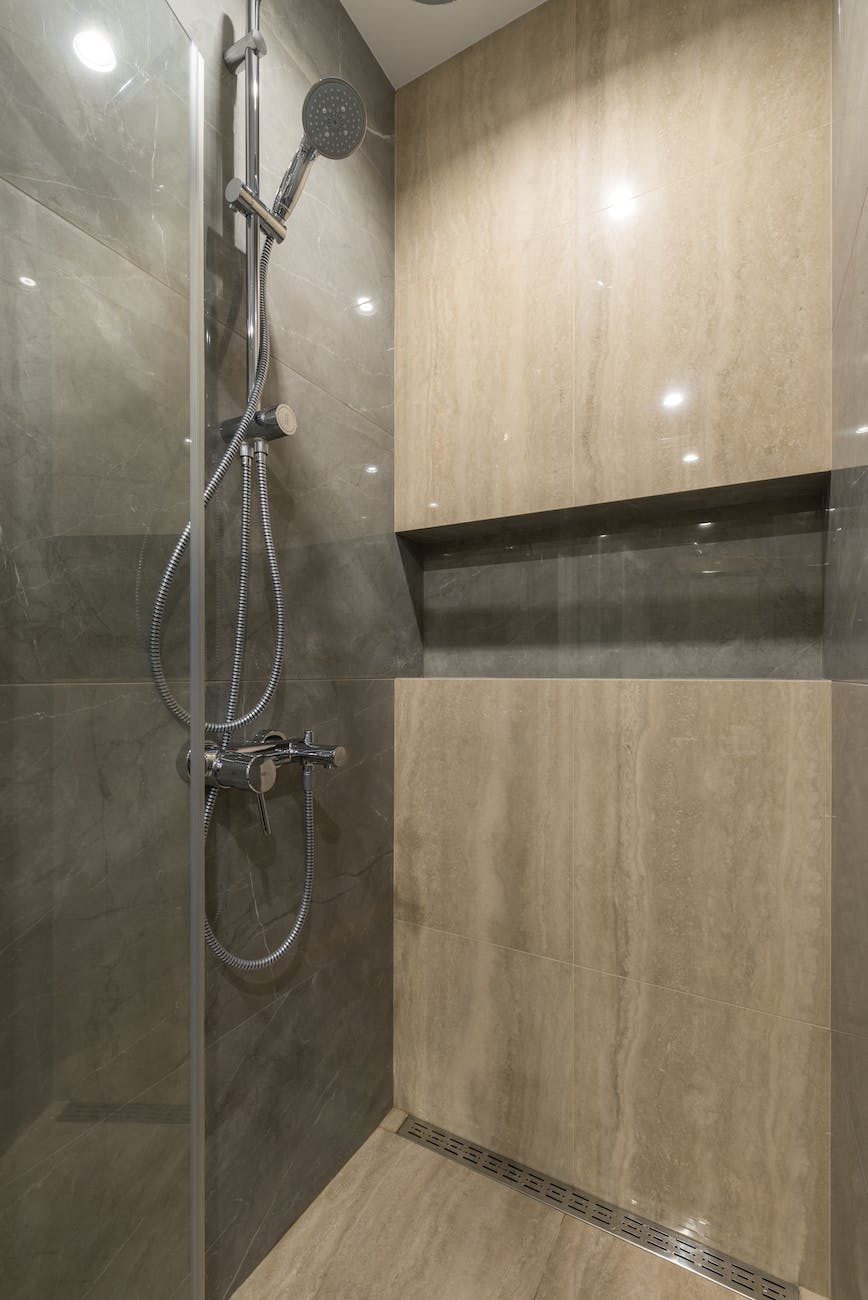
One of the significant changes in my approach was the method of application. Instead of using the mug, as done earlier, I opted to take cold showers. This shift in methodology brought with it its own set of challenges, as the continuous flow of cold water from the showerhead was quite different from the controlled approach with a mug.
As I persisted with my renewed commitment to cold baths, I noticed a gradual improvement in my resistance to the cold. The initial discomfort I had experienced during the first few attempts lessened as my body adapted to the cold exposure. It became clear that the initial 10 seconds when the water first made contact with my body were the most critical and challenging. Once I had navigated that initial shock, the experience became more manageable and less intense.
In response to the change in my method, I had to revise my approach slightly to accommodate the showerhead. This adjustment in technique became a part of the learning process, highlighting the importance of adaptability in maintaining the practice of cold baths. Despite the initial difficulties, I was determined to persevere and continue reaping the benefits that this practice had offered me in the past.
The process of taking a cold bath through the showerhead is a methodical and calculated approach. As I stand in front of the bathtub, I turn on the tap to let the water flow and simultaneously switch on the shower. I step aside as the water begins to cascade from the showerhead.
The way I tackle the cold bath is by taking it in stages. I start with my legs, allowing them to be the first part of my body to enter the cold water. This initial contact allows me to gauge and adapt to the water’s temperature. As I gradually become accustomed to the coldness, I continue the process. My upper body follows, with my back and head being the last to immerse in the chilly flow.
This method of easing into the cold water allows me to gently tune my body to the temperature, avoiding the immediate shock of plunging in all at once. It’s a contrast to the previous approach of using a mug, which delivered an instant shock. I find that, especially at my age, this gradual immersion is a more comfortable way to embrace the cold bath.
Once I’m completely immersed and have acclimated to the water, I can begin to enjoy the bath. The best part is when I step out of the shower. It’s at this moment that I start to feel a comforting warmth spreading through my body, and the sensation of cold begins to dissipate. This gradual warming process provides a sense of comfort and renewal, a complete reversal of the initial exposure to the cold water.
In contrast, after a hot water bath, as soon as the water is turned off, the body begins to feel cold again, and the warming effect is only experienced once you’ve dried yourself. This marked difference in the post-bath experience highlights the unique effects of cold baths and their ability to invigorate the body distinctly.
Hot water vs cold water.
Certainly, hot water baths have their own set of benefits and use cases. Hot water, as opposed to cold water, is often sought after for various reasons, such as its ability to open the pores and effectively cleanse the skin. It can help in removing accumulated dirt, sweat, and toxins, leaving the skin feeling refreshed and rejuvenated. The heat from a hot water bath is known to have a soothing and relaxing effect, which can contribute to better sleep. The warmth can help in reducing muscle tension and promote a sense of calm and relaxation, which is conducive to a good night’s rest.
Furthermore, hot water baths are often recommended for relieving symptoms associated with common colds. The steam and warmth from a hot bath can help in improving sinus congestion and easing breathing difficulties, which is particularly beneficial when dealing with a cold or sinus issue.
However, it’s important to clarify that the discussion here primarily revolves around cold baths and their unique benefits. While hot water has its advantages, cold baths are distinct in the way they invigorate the body, improve resilience to the cold, and offer a different set of health and wellness benefits. Both cold and hot water baths serve specific purposes and can be chosen based on individual preferences and needs.
Taking a cold bath is a practice that provides a unique experience, and the reasons behind the positive effects are quite comprehensible. The impact of cold water on the body is significant, as it directly influences the nervous system by sending rapid electrical impulses to the brain. These impulses trigger a chain reaction of responses within the body, resulting in several notable benefits. The shock of cold water against your skin is a powerful wake-up call for your nervous system. It acts as a jolt of energy, making you more alert and fully awake. This heightened state of alertness can be compared to an instant mental boost, improving your focus and awareness.
The electrical impulses sent to the brain have the effect of increasing mental clarity and energy. The cold bath can help clear mental fog, sharpen your thinking, and provide a sense of rejuvenation for the mind. It’s as if your cognitive faculties are fine-tuned and operating at their peak. Cold water also serves as a trigger for the body’s natural rest and repair processes. When exposed to cold, the body initiates mechanisms to conserve energy, repair tissue, and promote recovery. This is a fundamental aspect of the cold bath’s impact on overall health and vitality.
In essence, the cold bath serves as a powerful stimulant for the nervous system. It compels the body to become more alert and focused, promoting mental clarity and enhancing brain function. Simultaneously, it triggers the body’s natural healing and restoration mechanisms, making it an integral part of a holistic approach to well-being. The result is a refreshing and rejuvenating experience that leaves you feeling energized, both mentally and physically.
Cold bath — effects and benefits
The main change that happens to the body when you start taking a cold bath is that your body gets used to the cold by lowering the core body temperature. This improves the body’s immunity and helps it fight cold viruses much better. It relieves muscle soreness and thus improves your post-exercise recovery. It reduces the inflammation inside the body as it contracts the muscles. It also affects your mindfulness. After strenuous workouts or physically demanding days, cold baths became a crucial part of my recovery routine. The cold water helped to reduce muscle inflammation and soreness. It seemed to accelerate the removal of lactic acid buildup in my muscles, allowing me to recover faster and feel more refreshed for my next workout or activity.
One of the most immediate effects of cold baths was the enhanced circulation throughout my body. The shock of cold water triggers vasoconstriction, which temporarily narrows blood vessels, followed by vasodilation, where they expand. This process is like a pump for the circulatory system, improving blood flow. I could feel a tingling sensation and increased warmth in my extremities after a cold bath, which indicated improved circulation.
Over time, I noticed that I became less susceptible to common illnesses. Cold exposure is believed to strengthen the immune system by increasing the production of white blood cells and improving overall immunity. I found that I got sick less often and, when I did, my symptoms were milder and didn’t last as long.
Cold baths acted as an energy booster. The initial shock of the cold water stimulated my body’s stress response, leading to the release of adrenaline and other energizing hormones. This surge of energy was incredibly helpful in combating fatigue, especially on groggy mornings or after a long day of work.
I also observed that cold baths played a role in my weight management. I lost a couple of pounds over time. Exposure to cold temperatures stimulates the conversion of white fat, the type of fat that stores excess energy, into brown fat, a more metabolically active type of fat. This change potentially contributes to improved weight control.
I integrated cold baths into my daily routine, making them a priority and managing my time more efficiently. Balancing new practices with existing commitments requires effective time management and organization. It highlighted the value of discipline and dedication.
Stress levels come down and it leads to a lowering of anxiety, improving the mood. It can also lead to better sleep as you feel relaxed and your mind is not agitated. Cold baths in the evening helped me relax and unwind, leading to a more restful night’s sleep. The practice seemed to regulate my body temperature and induce a state of calm, making it easier to fall asleep and stay asleep throughout the night.
A cold bath also closes your pores leading to the retention of natural oils and so improving the skin condition, leaving my skin clear and radiant. The physical improvements, combined with the mental clarity and reduced stress, led to an overall sense of well-being that I had never experienced before.
I realized that by incorporating these gentle treatments into my daily routine, I was also improving my mental health. The cold baths allowed me to disconnect from the stresses of daily life and focus on my well-being. The cold water acted as a natural stimulant for mental clarity and alertness. It woke me up and sharpened my focus, which was particularly helpful when I needed to concentrate on tasks or when I felt mentally fatigued.
As I continued to experience the benefits of my cold baths, I discovered a newfound passion for self-improvement. I began to invest in my physical and mental health, pushing myself to take on new challenges and achieve my goals.
Drawbacks and risks
Cold baths also come with potential drawbacks and risks that individuals should consider before incorporating them into their routine. The sudden immersion in cold water can be extremely uncomfortable and even shocking, especially for those who are not accustomed to it. This discomfort can make cold baths a challenging practice to adopt. I realized that gradual adaptation is key to conquering discomfort. It taught me patience and the importance of setting realistic goals when introducing new practices into my routine. I approached cold baths with a positive mindset and learned to embrace the discomfort as part of the process. I also used relaxation techniques to manage any anxiety. Mindset is powerful. The challenge taught me how to cultivate mental resilience and overcome psychological barriers by focusing on the positive aspects of the practice.
Cold baths may not be suitable for everyone, particularly those with certain medical conditions. I acknowledge that individual responses can vary. Every person is unique, and the effects of a wellness practice can differ. Seeking expert guidance is crucial when considering a new wellness practice, especially if you have underlying health conditions. Individuals with heart problems, Raynaud’s disease, or other circulatory issues should consult a healthcare professional before attempting cold baths. So, as with everything these are generally advised for people not having any major issues like hypertension and heart disease. Having a cut or wound will also increase cold sensitivity so should be avoided for that period.
Prolonged exposure to extremely cold water can lead to hypothermia, a potentially life-threatening condition. It’s essential to be cautious and avoid staying in cold water for extended periods, especially in very low temperatures. The typical temperature for a good cold bath is 50–55 degrees F. If the temperature feels too cold there is no harm in mixing it with a little hot water to get it to the right temperature. Coldness matters but so does comfort and what the body can take. To mitigate the risk of hypothermia, I strictly limited my time in cold water. I never stayed in for extended periods, and I ensured the water temperature was within a safe range if the water was too cold and harmful. Safety should always be the top priority. I learned to listen to my body. It reinforced the importance of balance in any wellness practice.
Frequent exposure to cold water may lead to skin irritation or dryness in some individuals. It’s crucial to moisturize and take good care of your skin to mitigate these effects. The discomfort associated with cold baths can, for some individuals, lead to stress, anxiety, or a fear of the practice itself. It is essential to approach cold baths with a positive mindset and not force yourself into a practice that causes significant psychological distress.
While cold baths can aid in recovery and boost energy, they should not replace essential rest and recovery strategies. Overexertion in an attempt to use cold baths as a recovery tool could lead to injuries or burnout. I balanced cold baths with proper rest and recovery strategies. The challenge reminded me of the importance of holistic wellness and avoiding extremes.
The bottom line is that there are a few things we need to keep in mind. Don’t do it if you have any underlying issues, discuss with your doctor if you have any doubts before starting on it. Cold baths are difficult to sustain so patience is the key. You will have to take for some time to get completely used to it. Somedays you may be tempted to not take them which is okay. Don’t force yourself onto it if you don’t want to do it. The benefits will follow once you stick to it. Cold temperature is also to be monitored. Too cold a water may not be good for the body so mix a little bit of hot water if you must get to the right temperature. Avoid the pressure of taking a cold bath if you don’t enjoy it later. Simply because it worked for me doesn’t mean it will work for you so evaluate it for yourself and check the benefits.
The benefits of cold baths can vary from person to person. While some individuals may experience significant improvements in circulation, recovery, and mood, others may not notice the same degree of benefit. Individual responses can be influenced by genetics and other factors. Incorporating cold baths into your routine requires time and commitment. Preparing the bath, immersing yourself, and dealing with the initial shock can take time out of your daily schedule.
Using large quantities of water for cold baths can be wasteful, so you may need to consider the environmental impact of this practice. Consider reusing bathwater and be mindful of water conservation. Limit the quantity of water you use for your bath. There’s a risk of becoming dependent on cold baths for energy or recovery. While they can be a valuable tool, they should be one part of a broader approach to health and well-being.
Conclusion.
In conclusion, my cold baths transformed not only my physical but also my mental well-being. They taught me the importance of self-care, discipline, and perseverance, and they have become an essential part of my daily routine. I encourage you all to give cold baths a try and experience the transformative power for yourself. Change your life for the better and embrace the many benefits of cold baths. Incorporating cold baths into my routine not only brought about a lot of physical changes but also helped me feel more resilient and capable of facing everyday challenges. The physical benefits, combined with the mental strength I gained, made cold baths a transformative practice in my life.
Overcoming the challenges associated with cold baths taught me valuable life lessons about patience, safety, individuality, balance, resilience, and time management. This was a journey of self-discovery and personal growth. Each obstacle I encountered provided an opportunity to learn and adapt. These lessons extended beyond my cold bath practice and became essential principles in my overall approach to well-being and personal growth. The challenges and the process of overcoming them enriched my life in unexpected ways and underscored the importance of a holistic approach to wellness.
 ekkarma.com
Leave a comment