
Initial birth
Gas vehicles have been in existence ever since Carl Benz applied for a patent for his gas-powered engine in 1886, this is generally regarded as the birth of the automobile. The initial cars which came out were very few and used in small volumes. The automobiles were popularized by Henry ford later in 1919. Ford made cars which were cheaper through mass production and were targeted for the middle class.
“In 2011 Gas engines comprised of about 95% of the volume which was down to 90% in 2021.”
Ever since those days of the initial gas engine introduction it is pretty much the dominant engine in the market these days. It is now so entrenched in our lives that making changes to it is becoming difficult. There are multiple reasons to the difficulty. The volume of cars having gas engines is still huge. In 2011 gas engines comprised of about 95% of the volume which was down to 90% in 2021. It’s been going down but not fast enough, there are again various reasons for it too.
Options
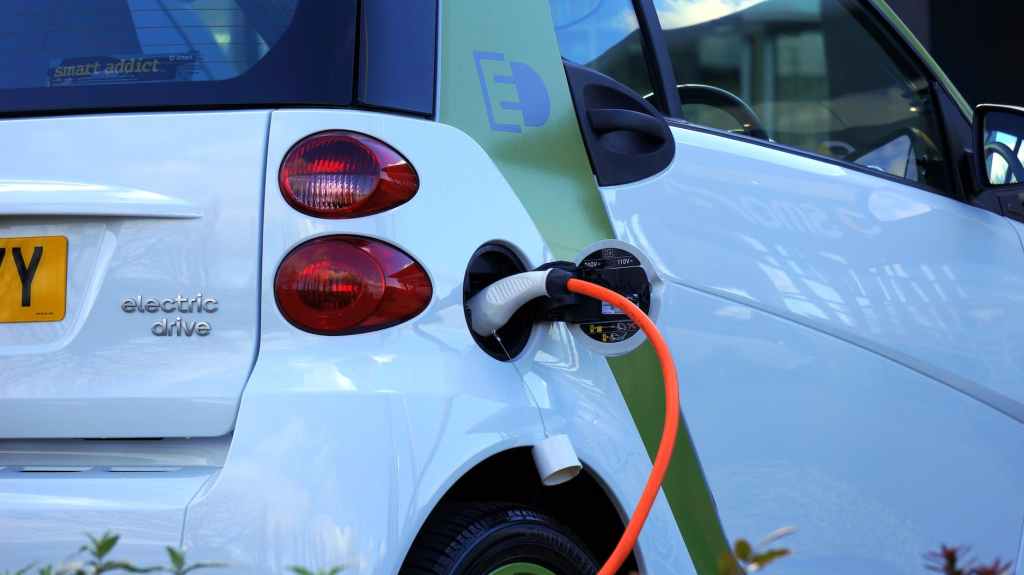
There are multiple things in development which are vying for supremacy, electric, fuel cells, Hybrid, better ICE engines. Gas engines are referred to as ICE engines. ICE or internal combustion engine converts the chemical energy in fuel cells to mechanical energy. They take the fuel and combine it with air to burn it. The burning produces gases which pushes a piston. This piston is in turn connected with a crankshaft which moves the wheels. Gasoline engines are the most common types of ICE engines. Others being diesel engines and natural gas engines. Electric vehicles can be BEV’s or PHEV’s.
“Usually, the range for the electric portion is very small. Toyota RAV prime being one of those with a larger capacity of 35 miles.”
BEV’s are Battery electric vehicles while PHEV’s are plug in hybrid vehicles. BEV’s powered vehicles use the electricity stored inside the batteries in the vehicles, while PHEV’s use both, as they have a ICE engine as well as an electric motor. Usually, the range for the electric portion is very small. Toyota RAV prime being one of those with a larger capacity of 35 miles. The gas engine is used to power the vehicle and to charge the battery for the limited electric miles it provides.
“Unlike FCEV the HICEV or hydrogen internal combustion vehicle engines use hydrogen to power an ICE engine producing emissions, though a little lower than their gas counterparts.”
PHEV have a higher range than gas but are still emitting a lot of pollutants in the environment. Hydrogen powered vehicles are also being looked at by the community. Hydrogen vehicles are also of two types, FCEV and HICEV. FCEV is fuel cell electric vehicle and uses hydrogen to generate the electricity to power the vehicle. Unlike FCEV the HICEV or hydrogen internal combustion vehicle engines use hydrogen to power an ICE engine producing emissions, though a little lower than their gas counterparts. What will prevail is anybody’s guess.
Advantages of different engines
Gas engines are most popular as they are very cost effective to produce. Have very high power in them. There is no other infrastructure required for it except for the pumps which are present everywhere. Electric engines on the other hand have a lot more advantages. They are zero emission engines so are environment friendly.
“Hybrid cars have similar advantages as an electric but not the same.”
The cost of operating the vehicle is very low. You just have to charge it overnight and you are good to go. Overall, there is very less maintenance like no oil change is required. The electric engines are much quieter and you don’t feel like the car is running. Hybrid cars have similar advantages as an electric but not the same. In the sense that they have lower emissions, less maintenance than gasoline cars and an improved fuel efficiency, usually double of the gas engine.
Disadvantages of different engines.
Gas engines are very loud, they require a lot of maintenance and emit a lot of gases which are bad for the environment. Their efficiency has been pathetic at the very least. The average efficiency being around 25 miles per gallon or about 6 kilometers per liter. Electric on the other hand is very expensive. It has still not reached mass production levels like the ICE engine powered vehicles. Electric vehicles have a limited range, so people have range anxiety, what if the vehicle runs out of charge and there is no charging station nearby. They have long charging times making long distance journey difficult. Initial costs are very high they usually start upwards of $40,000. The charging infrastructure to support is very less unlike the gas pumps that we have everywhere. The performance is also impacted in cold weather as the batteries must work harder to heat the car, downgrading the performance of the car.
“The availability of charging stations for electric vehicles is increasing but not at the pace that is required.”
Another disadvantage of electric is that batteries are currently made of lithium. Lithium is not very common and mining it is still not very cost effective or environment friendly. Hybrid also has high upfront costs, though the range anxiety is not there as you can always fill it up with gas if needed. The technology involved in a hybrid car is also more complex as it must cater to both gas and battery.
The cost of electric engines are coming down but they are still expensive and have limited range. The availability of charging stations for electric vehicles is increasing but not at the pace that is required. So a lot more is desired. Hydrogen powered stations are even lesser in comparison and would have to expand exponentially to make any impact.
Other alternatives
Hydrogen as a fuel cell is also under development. Many companies are looking at this technology to power the vehicles. There are some in the market but these are more as technology demonstrators than any other use currently. There are two types of vehicles for hydrogen. FCEV and HICEV. FCEV or Fuel cell electric vehicle use hydrogen to generate electricity which powers the vehicle.
“Whereas a typical electric vehicle has to be charged overnight and even with fast chargers requires 30 min to reach 80% capacity charge, hydrogen vehicles can be refueled in about 10 min.”
Like electric vehicles they provide no emissions and so are at par with them. The second type is the HICEV or hydrogen internal combustion engine vehicle. These charge the ICE engines by using hydrogen instead of gasoline or diesel to power the vehicle. These engines produce emissions but they are much lower than the typical ICE engine.
The one huge advantage over the electric vehicles that hydrogen vehicles have is faster refueling. Whereas a typical electric vehicle has to be charged overnight and even with fast chargers requires 30 min to reach 80% capacity charge, hydrogen vehicles can be refueled in about 10 min. They also have a longer range than electric vehicles so would be better for adaption.
“Another huge disadvantage is the flammability of the gas. Hydrogen as such is a highly flammable gas and so safety would be an issue.”
The main issue is the source of hydrogen. Currently most of the hydrogen is produced using fossil fuels. There is a lot of work being done to develop green hydrogen, where it is produced through solar or other environmentally friendly source.
The disadvantages though for it are the huge initial costs and limited availability of both the vehicles as well as the infrastructure to support it. Another huge disadvantage is the flammability of the gas. Hydrogen as such is a highly flammable gas and so safety would be an issue. The vehicles would have to be designed keeping this into considerations which will again raise the initial costs.
Would I buy electric vehicle.
I don’t think so. Electric vehicles are still not at an inflection point where it becomes like an ICE vehicle. Like most, I do have range anxiety and so would not be using them for long distance travel. Solid state batteries are being touted as an alternate as they can provide ranges of 1000 miles plus. These are in various stages of development but they will take time to become mainstream. I don’t want one vehicle for city and one for long distance travels. I am not in an immediate need for a vehicle. Be it electric or hydrogen, unless and until someone has an immediate need don’t buy an ICE vehicle. I don’t see another 15–20 years lifecycle for that gas-powered vehicle. I expect in another 5–6 years something will break out and become mainstream. If you can’t wait, buy something which is cheaper or second hand so that you don’t have buyer’s remorse later.
 ekkarma.com
Leave a comment