
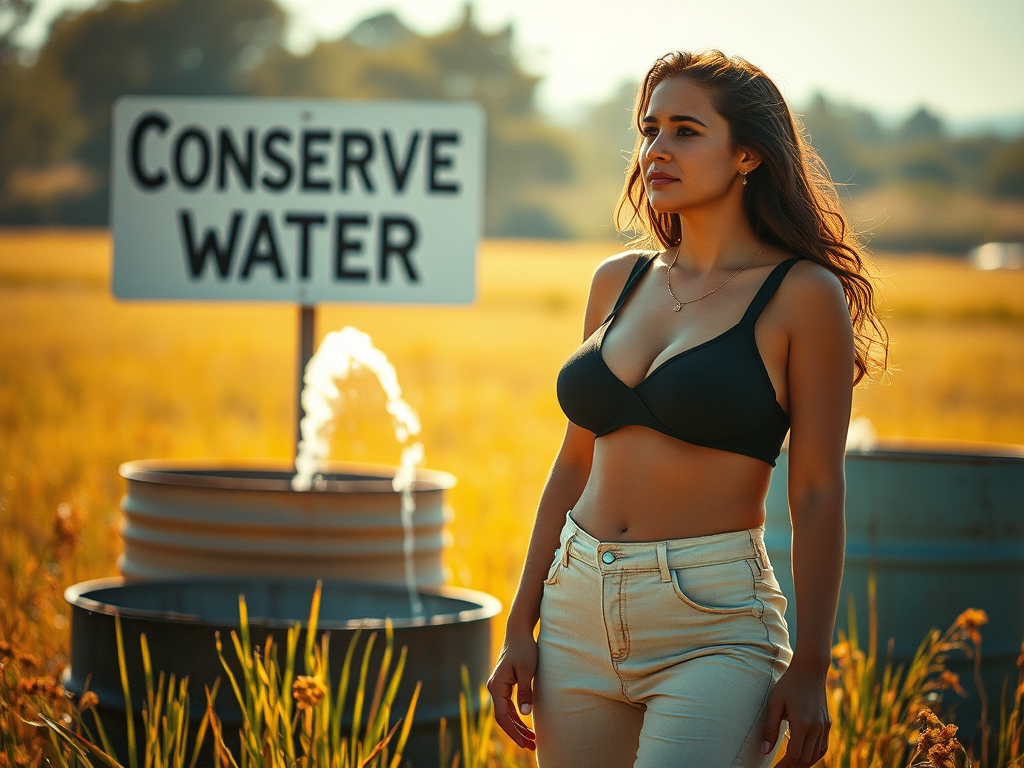
Water conservation is essential for preserving freshwater resources, protecting ecosystems, and ensuring access to clean water for future generations. This chapter will offer practical tips and strategies for reducing water usage in your daily life. It will cover efficient indoor and outdoor water use. It will also discuss water-saving technologies and community initiatives.
The Importance of Water Conservation
1. Preserving Freshwater Resources:
• Freshwater is a finite resource essential for human survival, agriculture, and ecosystems.
• Population growth, climate change, and pollution threaten freshwater availability.
• Conserving water helps reduce stress on freshwater ecosystems and ensures a sustainable water supply.
2. Reducing Energy Consumption:
• Energy is used to pump, treat, and heat water. Conserving water reduces energy consumption and greenhouse gas emissions linked to water production and distribution.
3. Cost Savings:
• Conserving water lowers water bills and reduces costs linked to water treatment and infrastructure maintenance.
• Efficient water use can also extend the lifespan of septic systems and plumbing fixtures.
Efficient Indoor Water Use
1. Fixing Leaks and Drips:
• Repair leaks in faucets, toilets, and plumbing fixtures promptly to prevent water waste.
• Check for leaks regularly and replace worn-out washers and gaskets.
2. Water-Efficient Fixtures:
• Install water-saving fixtures like low-flow faucets, showerheads, and toilets.
• Choose Water Sense-labeled products, which meet EPA criteria for water efficiency and performance.
3. Reduced Water Consumption Habits:
• Shorter Showers:
• Take shorter showers or consider installing a water-efficient showerheads.
• Turn Off Taps:
• Turn off the tap while brushing teeth, shaving, or washing dishes to conserve water.
• Full Loads Only:
• Run dishwashers and washing machines only when they have full loads to maximize water efficiency.
Outdoor Water Conservation
1. Water-Efficient Landscaping:
• Native Plants:
• Plant native and drought-tolerant vegetation that requires less water and maintenance.
• Mulching:
• Use mulch around plants to keep moisture, suppress weeds, and reduce evaporation.
• Smart Irrigation:
• Install drip irrigation systems or soaker hoses to deliver water directly to plant roots.
• Use timers and sensors to adjust irrigation based on weather conditions and soil moisture levels.
2. Rainwater Harvesting:
• Collect rainwater in barrels or cisterns to use for watering gardens, lawns, and plants.
• Use rain gardens and swales to capture and absorb rainwater runoff on your property.
3. Efficient Lawn Care:
• Lawn Maintenance:
• Raise the mower blade to leave grass taller, which promotes deeper roots and reduces water loss.
• Aerate lawns to improve water absorption and reduce runoff.
• Watering Practices:
• Water lawns early in the morning or late in the evening to reduce evaporation.
Water-Saving Technologies
1. High-Efficiency Appliances:
• Upgrade to water-saving appliances like Energy Star-rated dishwashers and washing machines.
• Choose models with adjustable settings for water levels and cycle lengths.
2. Greywater Systems:
• Install Greywater recycling systems to reuse water from sinks, showers, and laundry for irrigation or toilet flushing.
• Follow local regulations and safety guidelines for Greywater system installation and maintenance.
3. Smart Home Technology:
• Use smart irrigation controllers that adjust watering schedules based on weather data and soil moisture levels.
• Install leak detection systems and smart water meters to monitor and manage water usage in real-time.
Community and Policy Initiatives
1. Education and Outreach:
• Join in water conservation education programs and workshops in your community.
• Share water-saving tips and resources with neighbors, friends, and local organizations.
2. Supporting Water Conservation Policies:
• Advocate for local and regional water conservation policies and initiatives.
• Support funding for water infrastructure improvements, water efficiency programs, and drought preparedness.
3. Community Water Projects:
• Get involved in community projects like waterway cleanups, watershed restoration, and water quality monitoring.
• Volunteer with local conservation organizations to support water conservation efforts and advocacy.
Green Building and Home Design
Green building and home design focus on creating sustainable, energy-efficient, and environmentally friendly structures. These structures reduce their impact on the environment. They also enhance comfort and quality of life. This chapter will explore key principles, strategies, and technologies for integrating green building practices into residential and commercial construction projects.
The Importance of Green Building
1. Environmental Benefits:
• Reduces energy consumption, greenhouse gas emissions, and resource depletion.
• Enhances biodiversity and promotes sustainable land use practices.
• Improves indoor air quality and reduces waste generation.
2. Economic Benefits:
• Lowers utility bills through energy and water efficiency measures.
• Increases property value and marketability of green-certified buildings.
• Reduces long-term maintenance and operational costs.
3. Social Benefits:
• Improves occupant health and well-being with better indoor environments.
• Supports local economies through job creation in green construction and manufacturing sectors.
• Fosters community resilience and sustainability awareness.
Energy Efficiency and Renewable Energy
1. Passive Design Strategies:
• Orientation and Layout:
• Improve building orientation to maximize natural daylight and reduce solar heat gain.
• Design open floor plans and use interior spaces efficiently to reduce the need for artificial lighting and heating.
• Insulation and Thermal Mass:
• Use high-performance insulation materials and incorporate thermal mass to stabilize indoor temperatures.
• Seal air leaks and use energy-efficient windows and doors to reduce heat loss and gain.
2. Energy-Efficient HVAC Systems:
• Install energy-efficient heating, ventilation, and air conditioning (HVAC) systems with programmable thermostats and zoning controls.
• Use Energy Star-rated appliances and lighting fixtures to reduce energy consumption.
• Consider renewable energy sources like solar panels, wind turbines, or geothermal systems to generate clean energy on-site.
3. Water Efficiency and Conservation:
• Low-Flow Fixtures:
• Install water-saving fixtures like low-flow toilets, faucets, and showerheads to reduce water usage.
• Implement Greywater recycling systems to reuse water from sinks, showers, and laundry for irrigation or toilet flushing.
• Water-Efficient Landscaping:
• Design landscapes with native plants, drought-tolerant vegetation, and efficient irrigation systems to reduce outdoor water use.
Sustainable Materials and Resources
1. Green Building Materials:
• Recycled and Renewable Materials:
• Use recycled materials like reclaimed wood, metal, and glass in construction and finishes.
• Choose materials certified by programs like Forest Stewardship Council (FSC) for sustainable forestry practices.
• Low-Impact Finishes:
• Use low-VOC (volatile organic compound) paints, adhesives, and sealants to improve indoor air quality.
• Select eco-friendly flooring options like bamboo, cork, or linoleum, which are sustainable and durable.
2. Waste Reduction and Recycling:
• Construction Waste Management:
• Implement waste reduction strategies during construction by recycling and salvaging materials.
• Plan for deconstruction and reuse of building components to reduce demolition waste.
• Lifecycle Analysis:
• Consider the environmental impact of materials over their entire Lifecycle, from extraction and production to disposal or recycling.
Indoor Environmental Quality
1. Natural Ventilation and Daylighting:
• Design buildings with operable windows and natural ventilation systems to improve indoor air circulation and quality.
• Maximize Daylighting through strategic window placement and use of skylights or light shelves to reduce reliance on artificial lighting.
2. Healthy Building Practices:
• Indoor Air Quality:
• Use HVAC systems with high-efficiency filters and ventilation rates to remove pollutants and allergens from indoor air.
• Specify non-toxic building materials and finishes to reduce off-gassing of harmful chemicals.
• Thermal Comfort:
• Design buildings with adequate insulation, shading, and thermal mass to keep comfortable indoor temperatures year-round.
3. Acoustic Comfort:
• Incorporate sound-absorbing materials and design features to reduce noise pollution and enhance acoustic comfort in living and working spaces.
• Consider building layout and room orientation to reduce noise transfer between rooms and adjacent units.
Certification and Green Building Standards
1. LEED Certification:
• Pursue Leadership in Energy and Environmental Design (LEED) certification for green building projects. LEED certification assesses sustainability performance across various categories.
• Achieve LEED credits for energy efficiency, water conservation, indoor environmental quality, and sustainable site development.
• Gain from LEED-certified buildings’ higher market value, tenant satisfaction, and operational efficiency.
2. Other Certification Programs:
• Explore other green building certification programs. These include Green Globes, Living Building Challenge, or Passive House Standard. Each of these is tailored to specific sustainability goals and regional contexts.
• Align with local building codes and regulations that promote energy efficiency, renewable energy use, and sustainable construction practices.
Community and Policy Engagement
1. Public Awareness and Education:
• Engage with community members, stakeholders, and policymakers to promote green building practices and sustainability initiatives.
• Host educational workshops, tours, and demonstrations to showcase green building technologies and benefits.
• Collaborate with local organizations and institutions to advocate for sustainable development and resilience planning.
2. Policy Advocacy:
• Advocate for local, state, and federal policies that support green building incentives. Advocate for policies that offer tax credits and grants for energy-efficient and sustainable projects.
• Support zoning ordinances and building codes that focus on environmental performance, resilience, and community well-being.
3. Collaborative Partnerships:
• Partner with architects, engineers, contractors, and suppliers who share a commitment to green building principles and sustainable design practices.
• Collaborate with green building councils, industry associations, and research institutions to advance innovation in sustainable building technologies and practices.
Conclusion
Water conservation is critical to sustainable living, benefiting the environment, communities, and individuals alike. By adopting water-saving habits, you can preserve freshwater resources. Installing efficient fixtures and technologies also helps. Supporting water conservation policies and initiatives promotes a more sustainable future. Embracing water conservation practices helps protect ecosystems. It enhances water quality. It also leads to cost savings and resilience against water scarcity challenges. Together, we can make a difference in safeguarding our most precious resource for generations to come.
Green building and home design are essential strategies for creating healthier, more efficient, and environmentally sustainable built environments. We can reduce our ecological footprint by integrating energy efficiency into construction practices. Using renewable energy, sustainable materials, and improving indoor environmental quality contribute as well. These efforts promote resilient communities. Embracing green building principles enhances building performance. They also improve occupant comfort. These principles contribute to long-term cost savings. They promote environmental stewardship. Together, we can build a sustainable future where buildings support human well-being, conserve resources, and protect the natural environment for generations to come
#WaterConservation, #GreenDevelopment, #SaveWater, #SustainableLiving, #EcoFriendly, #GreenInitiatives, #ClimateAction, #RenewableResources, #WaterSustainability, #ConserveWater, #GoGreen, #SustainableDevelopment, #EnvironmentalProtection, #CleanWater, #EcoConscious, #ReduceWaterWaste, #GreenFuture, #SaveThePlanet, #WaterEfficiency, #GreenEconomy
Water Conservation
1. World Wildlife Fund (WWF) – Water Conservation
• Provides detailed insights on global freshwater ecosystems, the importance of water conservation, and strategies for sustainable water use.
2. The Water Project – Learn About Water Conservation
• Focuses on water scarcity issues in Africa. Provides resources on water conservation efforts. Offers solutions for communities without clean water.
3. U.S. Environmental Protection Agency (EPA) – Water Conservation Tips
• Offers practical water-saving tips and educational material on how to reduce water consumption.
4. Alliance for Water Efficiency (AWE) – Water Conservation Resource
• Includes comprehensive resources for improving water efficiency, reducing waste, and advocating for sustainable water use policies.
5. Global Water Partnership (GWP) – Integrated Water Resources Management
• Explores strategies for water management, policy reform, and sustainable use of water resources worldwide.
Green Development
1. United Nations Environment Programme (UNEP) – Green Economy Initiative
• Provides policy guidelines, reports, and resources on advancing sustainable development through green economic initiatives.
2. World Green Building Council (WGBC) – Green Building Resources
• Focuses on the environmental benefits of green building and sustainable architecture practices worldwide.
3. International Institute for Environment and Development (IIED) – Sustainable Development Resources
• Offers research, case studies, and reports on sustainable development initiatives, with a focus on poverty reduction and environmental sustainability.
4. Green Growth Knowledge Platform (GGKP) – Green Growth Resources
• A global network that supports the transition to a sustainable economy by providing knowledge and solutions for green development.
5. Sustainable Development Solutions Network (SDSN) – Green Development Strategies
• Connects global experts to offer innovative solutions for achieving sustainable development, particularly in water conservation and environmental protection.
 ekkarma.com
Leave a comment