
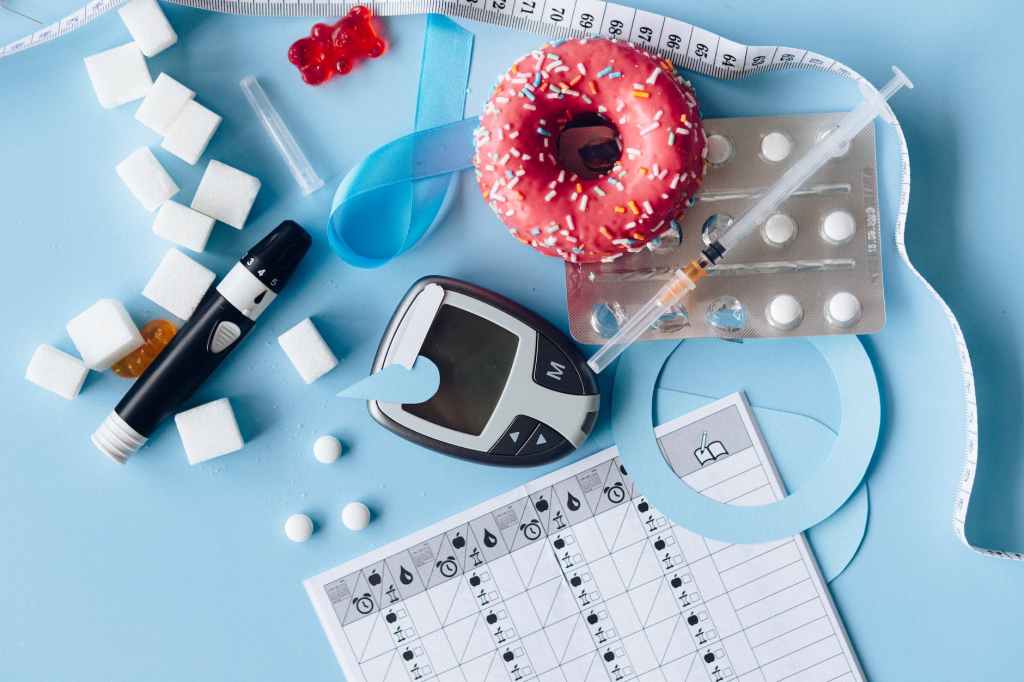
This is another article on health. I feel the more we talk about it the better it is. Not enough is being done about a healthy lifestyle. Insulin resistance and its relation to weight gain and diabetes is well known.We have become so complacent that we do not care about health anymore. I am not saying every person is like this but many of us are. I was also one of such people till some things shook me up. One was my bad relatively higher health numbers and the other was the heart issue that one of my friends went through. He was diagnosed with 3 of his arteries being blocked with more than 75% blockage in them. Stents were placed inside to have blood flow through them.
We need to take steps before we are in such a state. No one wants to be in that bad health state but somehow, we are too complacent. Each of us has our reasons. When I started exercising, I would ask my wife to do the same. She would tell me that she was fine, if people with good lifestyles are getting heart attacks, then what is the point of that exercise for the body? My take on that is that they survive those heart attacks because of their exercises. Exercise is just one part of it, it also depends on what you eat. Eating healthy is as important as how much you exercise.
I was 215 pounds when these happened to me and I thought of a reset. I read a lot about this and came to know that one reason for obesity is insulin resistance which happens inside our body.
First, let’s understand what insulin resistance is. Insulin is a hormone produced by the pancreas that helps regulate glucose levels in the bloodstream. When insulin resistance occurs, it means that the body is less responsive to insulin’s effects, which can lead to several health problems.
Now, why is insulin resistance the basic issue for weight gain and diabetes? Well, when your body is insulin resistant, it makes it harder for your muscles and liver to use glucose, which leads to higher levels of blood sugar. When your blood sugar is too high, it can cause your body to produce more insulin to bring it down. However, over time, this can lead to permanent insulin resistance and the onset of diabetes.
Weight gain is another major consequence of insulin resistance. When you have high insulin levels, your body stores excess fat to use as energy. This can lead to a buildup of fat in the liver, which is a major risk factor for developing liver disease, including cirrhosis.
Insulin resistance is also closely related to inflammation, which is a major contributor to a variety of health problems, including obesity, heart disease, and type 2 diabetes. When you have high levels of inflammation in your body, it can make it harder for your body to use fat and carbohydrates as energy sources, leading to higher levels of insulin and glucose in your bloodstream.
Insulin resistance is indeed a key factor in both weight gain and the development of type 2 diabetes. Insulin is a hormone produced by the pancreas that plays a crucial role in regulating blood sugar (glucose) levels. When you eat, especially when you consume carbohydrates, your blood sugar levels rise. In response, the pancreas releases insulin to help transport glucose from the bloodstream into cells, where it can be used for energy or stored for later use
In individuals with insulin resistance, the body’s cells (such as muscle, liver, and fat cells) do not respond effectively to insulin’s signals to take up glucose from the bloodstream. As a result, glucose remains in the bloodstream at higher levels than normal. To compensate for the reduced effectiveness of insulin, the pancreas produces and releases more insulin into the bloodstream. This increased insulin production is known as hyperinsulinemia. Over time, the continuous high demand for insulin production can place strain on the insulin-producing beta cells in the pancreas. These cells become overworked and start to malfunction.
As insulin resistance persists, beta cells struggle to produce sufficient insulin to overcome insulin resistance. This results in inadequate insulin levels for controlling blood sugar. With insulin resistance and reduced insulin effectiveness, blood sugar levels remain elevated. When blood sugar levels consistently rise, it can lead to the diagnosis of type 2 diabetes. Over time, the high blood sugar levels lead to glucose accumulating in the bloodstream, causing damage to blood vessels and various organs, such as the eyes, kidneys, nerves, and cardiovascular system When blood sugar levels consistently remain high and other diagnostic criteria are met, type 2 diabetes can set in.
Abdominal obesity caused by fat accumulation leads to the onset of metabolic syndrome. nsulin resistance can affect lipid metabolism, leading to a pattern of abnormal blood lipid levels. This often includes high triglycerides, low levels of high-density lipoprotein (HDL) cholesterol (the “good” cholesterol), and an increase in small, dense low-density lipoprotein (LDL) particles.
These lipid abnormalities contribute to the dyslipidemia component of metabolic syndrome. Insulin resistance may also play a role in the development of high blood pressure (hypertension). It can impair the ability of blood vessels to relax and dilate, increasing vascular resistance and elevating blood pressure. Hypertension is another characteristic of metabolic syndrome. Insulin resistance can lead to chronic low-grade inflammation and a tendency toward blood clot formation (prothrombotic state). These factors are also associated with metabolic syndrome and increase the risk of cardiovascular disease.
What is insulin resistance?
When you eat and how much you eat as well as how often you eat. All these things define how your body will behave. Take my case for instance. I was eating unhealthy food. I would put something in my mouth whenever I passed through the kitchen. Not that I needed to eat or was hungry but either I was bored not knowing what to do or just as part of the bad habit I had developed. So, my body was not spending the energy I was putting into it. The result was that it was converting that energy into glucose and storing it inside my body for future use. This future use never comes. It is pretty much the same as the junk we collect inside our house, we stash things inside the storeroom, just in case I may need them someday. That day never comes but our storeroom keeps filling.
When you eat something, the body is overwhelmed with what to do with it. The response of the body is to release insulin so that it is converted into glucose for future use. As the layers inside our body increase more and more insulin is needed to convert that food. This leads to insulin resistance as the lower amount of insulin is not helping the body. Now the body must release a large amount of insulin to take care of that unnecessary food put inside. This leads to inflammation and later if things continue it leads to obesity and diabetes.
Issues caused by insulin resistance.
Biggest issue with insulin resistance is weight gain as the fat accumulation increases in the body. Insulin resistance can disrupt the normal signaling in the body that regulates hunger and satiety and leads to increased appetite. When cells are resistant to insulin, they may not efficiently take up glucose for energy, which can lead to feelings of low energy. In response, the body may signal increased hunger, leading to overeating and weight gain. Cells become resistance to insulin and become ineffective in the utilization of insulin to produce energy. As energy is not produced the body things it is still hungry and sends you signal. You end up eating more leading to weight gain. Initialized glucose not converted to energy is stored as fat.
When insulin resistance is present, the body may have difficulty managing blood sugar, so individuals may crave foods that provide a quick energy boost, but this can also contribute to overconsumption of calories.
As the resistance increases the pancreas struggle to produce enough insulin, to take care of that increased glucose levels in the blood stream, As it struggles the sugar in blood stream increases leading to type 2 diabetes. People with insulin resistance are at a high risk of developing type 2 diabetes.
Insulin plays a role in regulating fat metabolism. When insulin resistance occurs, the body may have difficulty using fat for energy. This can lead to the storage of excess calories as fat, contributing to weight gain, particularly around the abdominal area. Insulin is an anabolic hormone, it promotes the storage of nutrients, including glucose and fats. When insulin resistance is present, the body stores more of the calories consumed as fat, which leads to weight gain. As weight increases, insulin resistance may worsen, leading to further weight gain.
Insulin resistance is often associated with other metabolic abnormalities, such as high blood pressure, high triglycerides, and low HDL cholesterol. This cluster of conditions is known as metabolic syndrome and is a significant risk factor for cardiovascular disease.
Insulin resistance — how to reverse it.
Insulin resistance doesn’t happen overnight it takes place over an extended period. The best way to reduce and eliminate it so that the body goes back to normal is to go back to basics. Eat when you are hungry not when it’s time. We go according to the wall clock when to eat breakfast lunch or dinner with a snack in between. The key is first to reduce the inflammation and then listen to our body clock inside rather than the wall clock. Lose weight as it has an impact on reversing insulin resistance. Even a modest weight loss of 5-10% of body weight improves insulin sensitivity.
Focus on a diet rich in whole, unprocessed foods, including vegetables, fruits, lean proteins, whole grains, and healthy fats. Limit added sugars, refined carbohydrates, and saturated fats. Reducing carbohydrate intake, especially high-glycemic carbohydrates, can help improve insulin sensitivity. Consider a low-carb diet. Be mindful of how much you eat portion sizes do matter. Prevent overeating and manage calorie intake. Aim for at least 150 minutes of moderate-intensity aerobic exercise or 75 minutes of vigorous-intensity exercise each week.
Include strength training exercises at least two days a week to build muscle, which can enhance glucose uptake. High-intensity interval training (HIIT) can be particularly effective in improving insulin sensitivity. Sleep is important ensure you get 7-9 hours of quality sleep each night. Stay well-hydrated by drinking plenty of water. Reduce stress as that is a big factor for overeating and weight gain. Practice mindfulness techniques to lower your stress levels. Don’t smoke or consume alcohol, or limit the usage or alcohol to minimal levels.
There should be a minimum of 18 hours between the last meal of the earlier day and the first meal of the next day. You can achieve it by skipping dinner. When your body gets back to normal and is not overwhelmed with the amount of food it is taking in, it will get back to normal fast.
Unless someone has type 1 diabetes where insulin is needed as the body is not manufacturing enough for its needs, type 2 diabetes can be reversed.When we have this gap, the body has time to recover and heal, reducing inflammation. As the inflammation reduces insulin resistance also reduces. When we eat less the body gets adjusted to it and knows how to deal with it. On the next meal it knows that it will not get more food for some time so will inject the right amount of insulin to take care of it and use it for its needs. The 18 hours of fasting is when the body goes back to its storage. This is the time when we are forcing it to loop for its needs from the fixed deposits we had done earlier. It is forced to break those fixed deposits and use them over time leading to the lowering of fat inside the body and lower inflammation. Inflammation is directly proportional to the fat deposits inside the body. The higher the fat deposit the higher the inflammation.
So, listen to your body, don’t eat if you are not hungry, and eat when you are hungry. Don’t restrict calories but restrict the number of times you are eating. Eat enough for your needs not for your greed. Give some rest to your teeth which will let your body also recuperate.
In conclusion, insulin resistance is the basic issue for weight gain and diabetes. By understanding the connection between insulin resistance and these health problems, we can take steps to prevent and treat them. This may include lifestyle changes such as a healthy diet and regular exercise, as well as the use of insulin-sensitizing drugs, which can help restore insulin sensitivity in the body.
 ekkarma.com
Leave a comment